
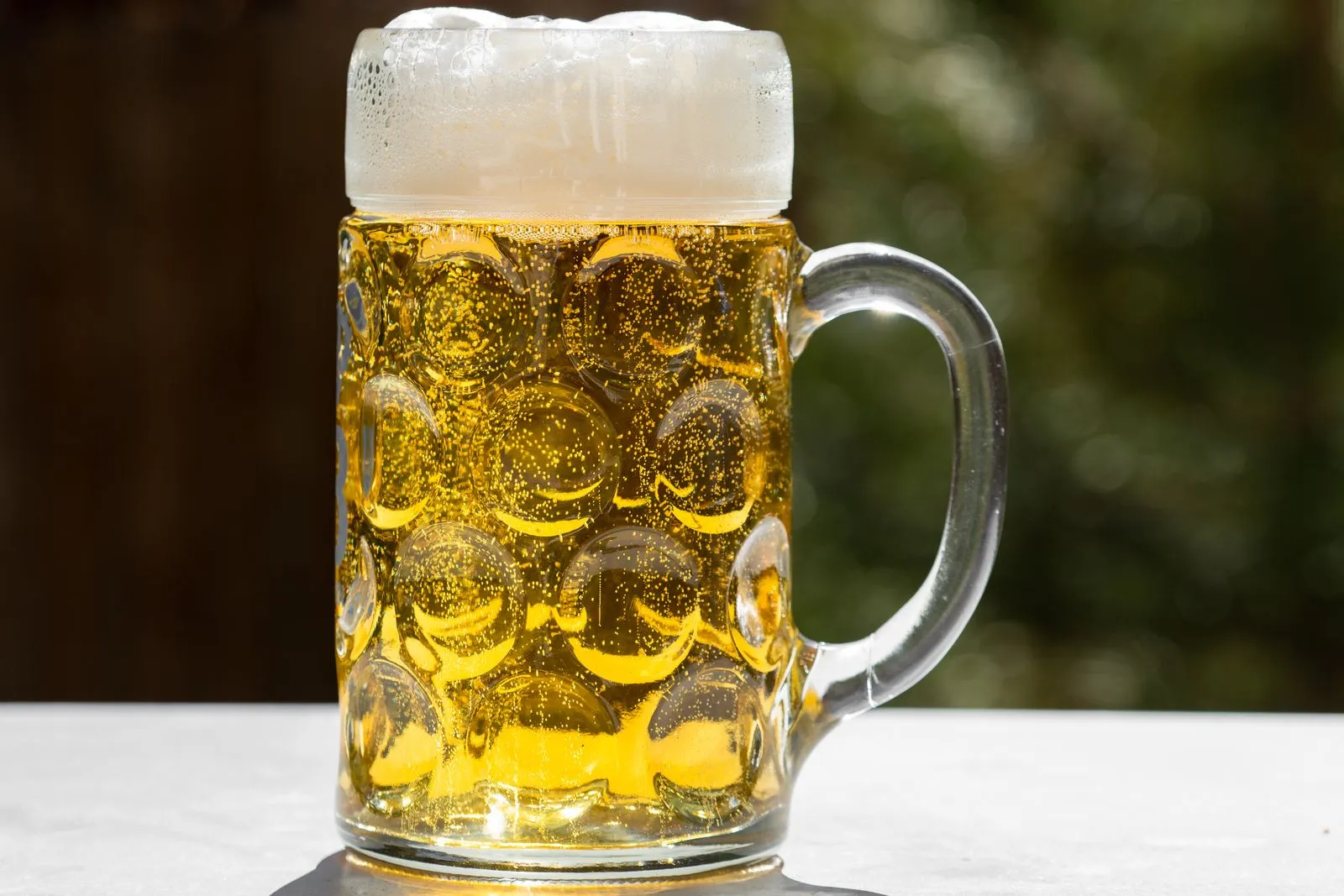
A lager can be crisp and familiar, but the details behind it vary from brewery to brewery. Small-batch brewing gives a brewer room to make focused choices about ingredients, fermentation, and flavor without producing enormous volumes at once. The result isn’t automatically stronger, hoppier, or better—it’s a lager shaped by a particular recipe and process. Here’s what batch size can change, which brewing decisions matter most, and what to notice when you pour a glass.
What “small batch” really means
There’s no single batch-size cutoff that makes a beer officially small-batch. The term generally describes production on a more limited scale than mass-market brewing, though the exact volume varies by brewery. A smaller operation may brew enough for a taproom, a local release, or a short distribution run rather than supplying a wide national market.
Smaller production can make it easier for a brewer to test a recipe, adjust a future brew, or offer a seasonal lager. It doesn’t guarantee a particular taste or quality. The recipe, ingredients, sanitation, fermentation, and storage still determine what ends up in the glass.
Brewing choices shape the flavor
A lager’s flavor starts with its ingredients. Different malts can bring notes ranging from cracker-like and bready to lightly toasted. Hops contribute bitterness and, depending on the variety and timing, floral, herbal, citrus, or spicy aromas. Water chemistry and yeast also affect how the finished beer tastes and feels.
The brewer’s process matters just as much. Lager yeast ferments at cooler temperatures than common ale yeast, and careful fermentation helps create a clean profile. The brewer also chooses how long to condition the beer. More time can help flavors settle and smooth out, while the exact result depends on the recipe and fermentation.
Why scale can matter
A smaller brew can give a team more flexibility to experiment with a malt blend, hop choice, or seasonal ingredient. If a variation works, the brewer can refine it for another batch. If it doesn’t, the next brew offers a chance to make a thoughtful adjustment instead of repeating the same recipe on a much larger scale.
Scale can also affect how quickly a beer reaches local drinkers. A limited release may be served closer to its brewing date than a beer that travels through a longer supply chain. Freshness is not determined by batch size alone, however: packaging, refrigeration, transport, and time all play a part.
Taste the details
When you try a small-batch lager, start with its aroma, then take a sip and notice the balance. Does malt lead with a soft bread or cracker note? Do the hops add a gentle bitterness or a distinct aroma? Is the finish dry and crisp, or does a little sweetness linger? These observations help you identify the brewer’s choices.
Compare two lagers side by side if you can. Look at color and clarity, notice how carbonation feels, and pay attention to whether the flavor changes as the beer warms slightly. A lager doesn’t need loud flavors to be distinctive; small differences in malt, hops, fermentation, and conditioning can make each recipe its own.
Small-batch lager is less about a strict volume limit and more about the recipe and care behind each brew. Batch size can give a brewer flexibility, while ingredients and process shape the flavor you taste. Next time you order a lager, take a moment to notice its malt, hops, aroma, and finish—and ask your local brewer what inspired the recipe.